What is the Country Prototype Acceleration Pathway?
The Country Prototype Acceleration Pathway is the KLIC2025 mechanism that helps country teams transform priority system bottlenecks into practical prototype designs, prepare those prototypes for presentation to the relevant national authority, and support their adoption as pilots through structured 30-, 60-, and 90-day implementation roadmaps.
The pathway is not about producing ideas for their own sake. It is about helping countries produce prototypes that are country-led, grounded in real operational constraints, feasible within the direct responsibility of national teams, and simple enough to be tested quickly. Each prototype must be presentable to Ministries of Health, EPI, national immunization programmes, digital health units, supply chain authorities or other relevant decision-making bodies — and structured for validation, adoption, funding consideration and partner alignment.
KLIC2025 did not stop at convening knowledge. It created a pathway for countries to transform system bottlenecks into prototype designs, introduce those prototypes to national authorities, and move toward pilot adoption through structured 30-, 60-, and 90-day roadmaps.
Strategic Rationale
KLIC2025 responded to a recurring failure in health innovation: countries are exposed to many tools, pilots and partner-driven initiatives, but these often remain fragmented, poorly governed, disconnected from national priorities or impossible to implement quickly.
Health innovation tends to accumulate at the level of events, reports and knowledge exchanges. Countries attend, learn and then return without a defined pathway to move what they learned into institutional action. Prototypes get shelved. Commitments evaporate. Partners move on.
KLIC2025 positioned innovation as a country-led execution discipline. The goal was to help countries identify what could realistically change within 30–60 days, using available institutional authority, existing tools and practical partner support — not waiting for perfect conditions.
KLIC2025 moved innovation from discussion to decision. The Country Prototype Acceleration Pathway ensured that each country could leave KLIC2025 with a practical prototype, a defined implementation responsibility, and a short-cycle roadmap for institutional follow-up.
Six-Stage Mechanism
Each stage of the pathway builds on the previous one, moving country teams from shared knowledge to institutional prototype adoption.
Knowledge Labs provided the technical and organisational foundations needed for country teams to analyse their own systems. They prepared country teams to diagnose their own bottlenecks with greater precision — not as training for its own sake, but as preparation for the Country Clinics.
Labs exposed participants to practical levers including:
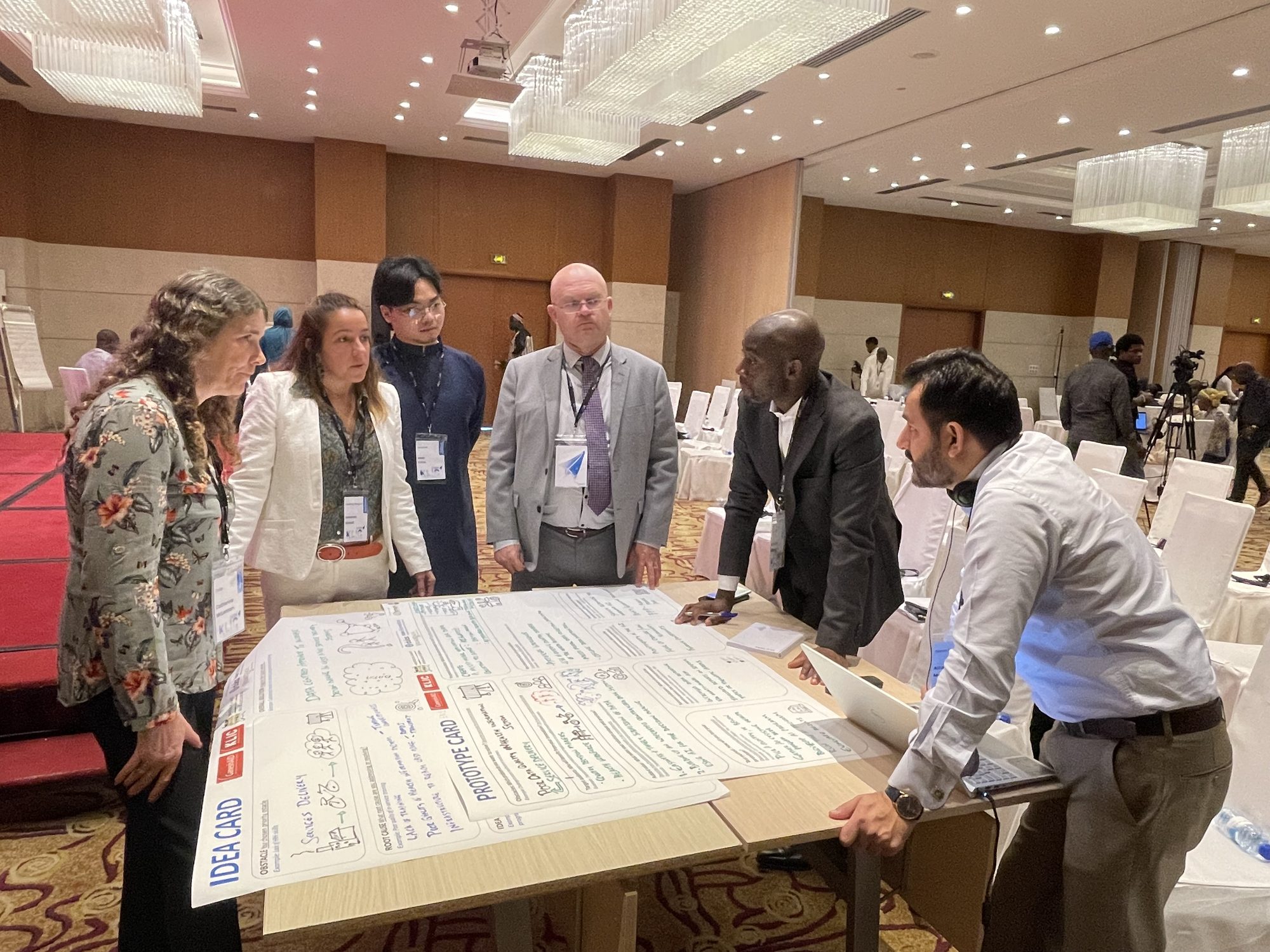
Country Clinics moved teams from general learning to country-specific diagnosis. Each country analysed real bottlenecks using its own context, data, workflows and institutional constraints. They were the bridge between knowledge and prototype design.
Bottlenecks addressed included:
What can we realistically change within 30–60 days, within our direct responsibility, using the systems and resources already available?
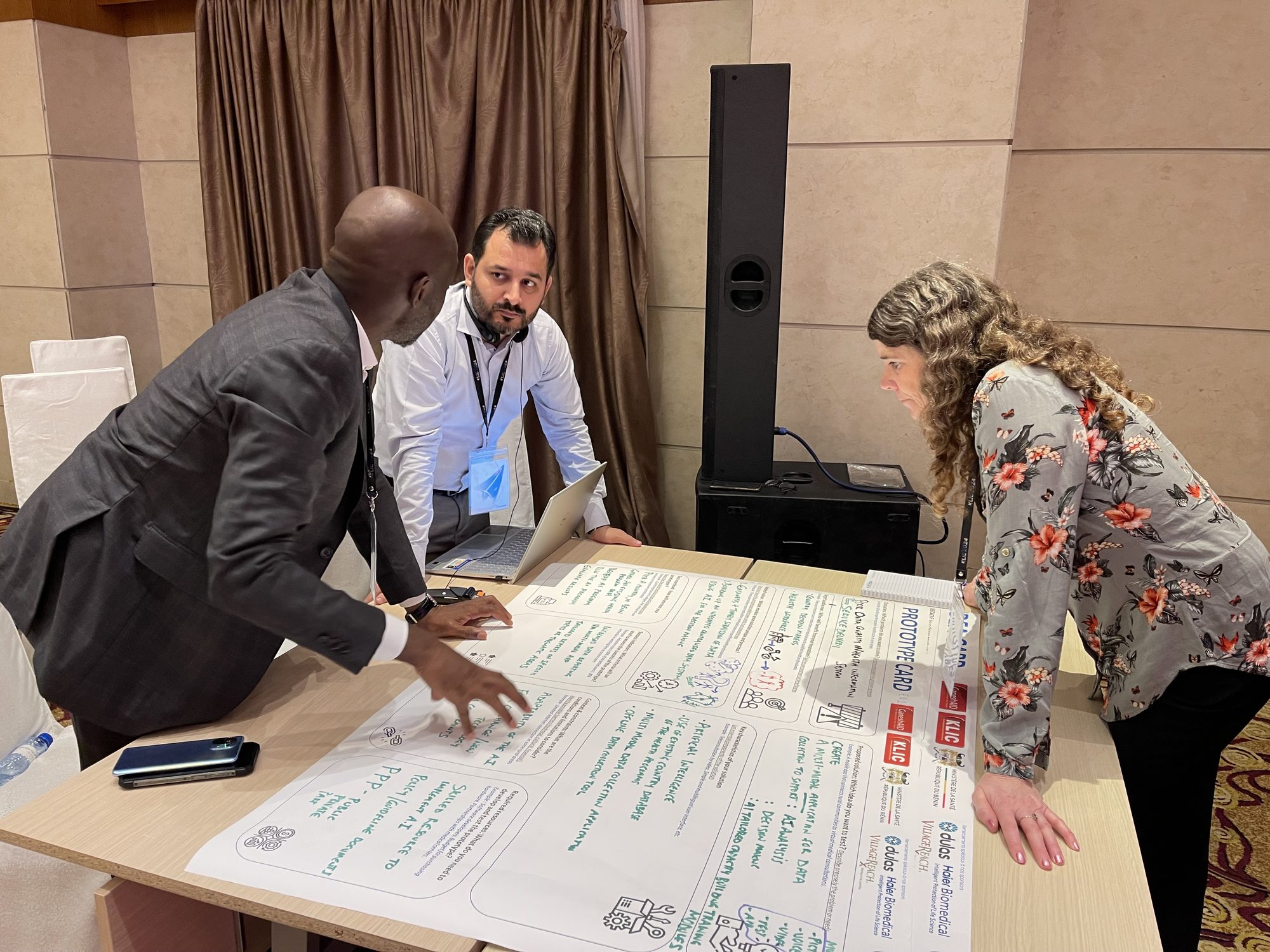
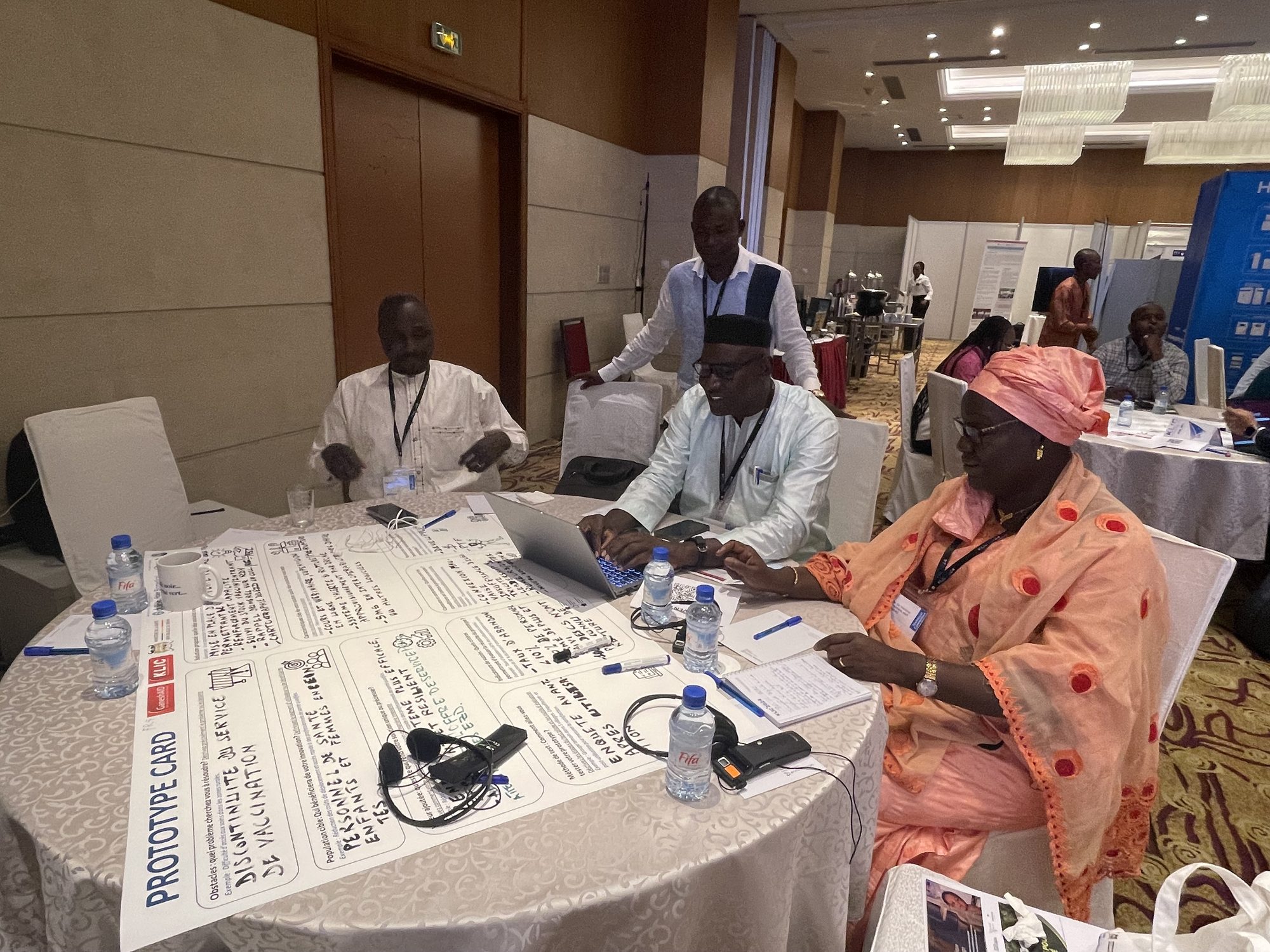
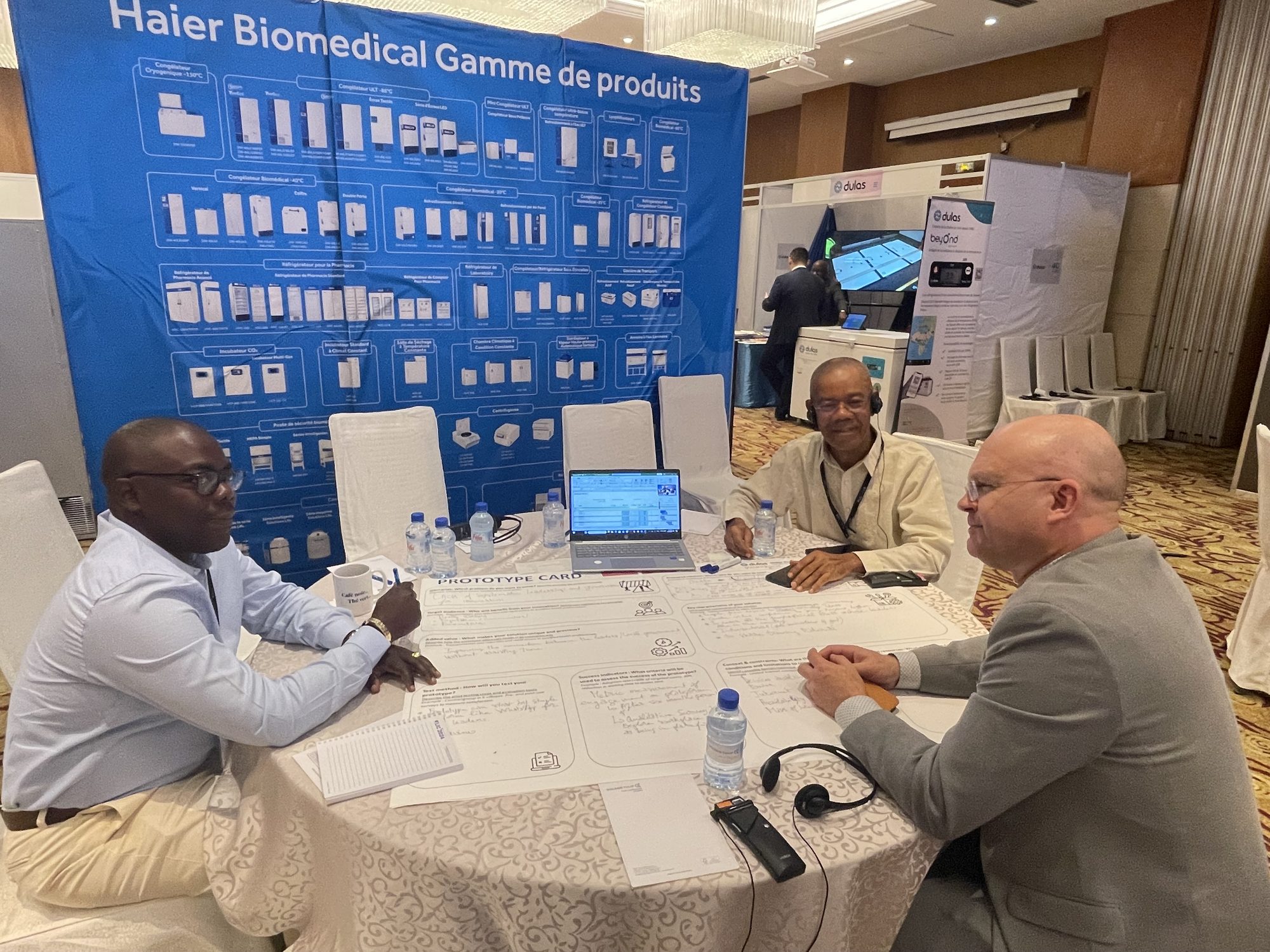
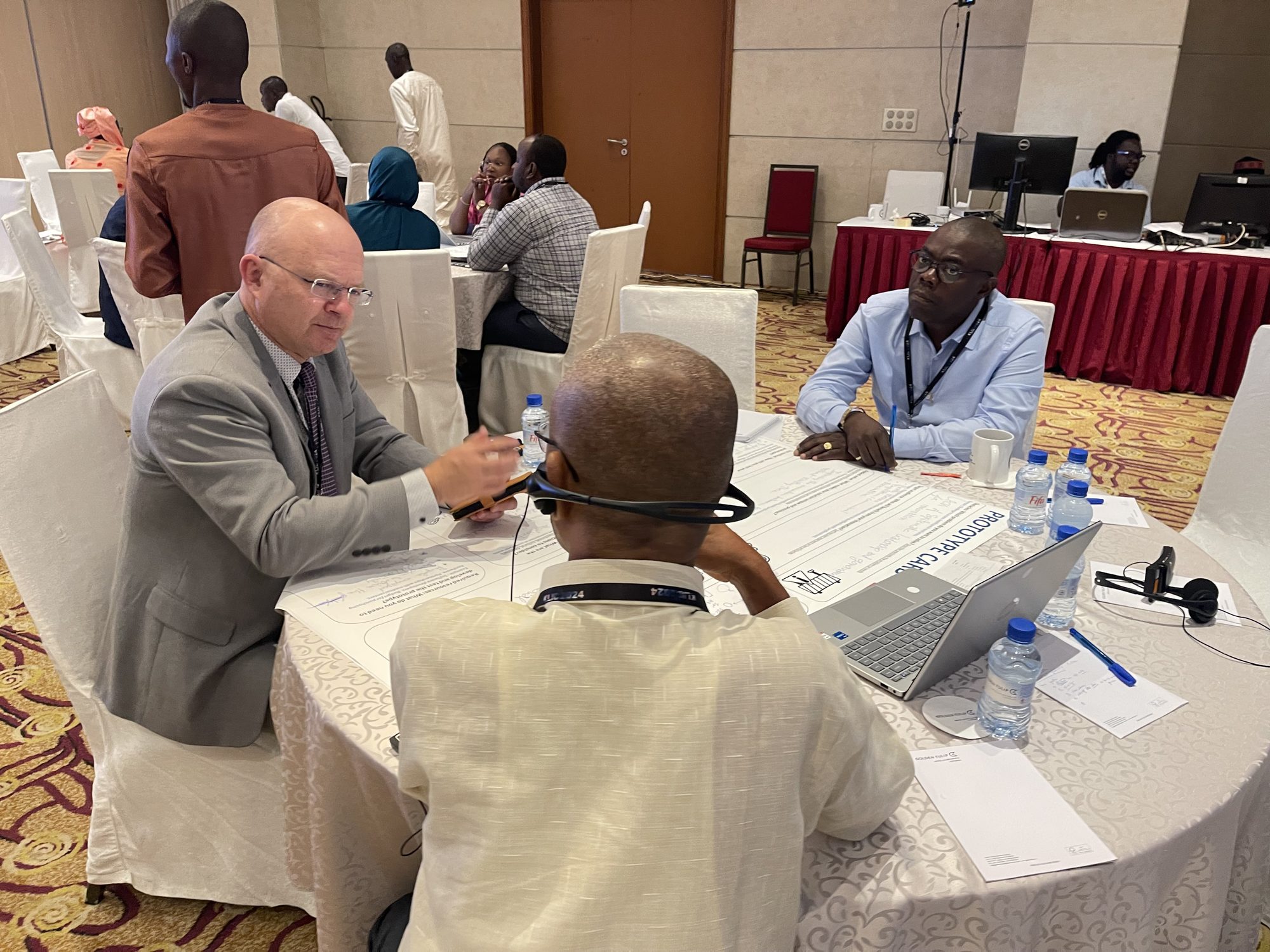
The KLIC2025 Hackathon was not a traditional ideation competition or technology showcase. It was designed as an execution tool. Each country team worked on one clearly defined priority problem through a two-sprint logic:
Sprint 1
Problem clarification
Each team reformulated their bottleneck into a clear, actionable and measurable challenge.
Sprint 2
Prototype design
Each team developed a practical solution that could be tested or initiated quickly.
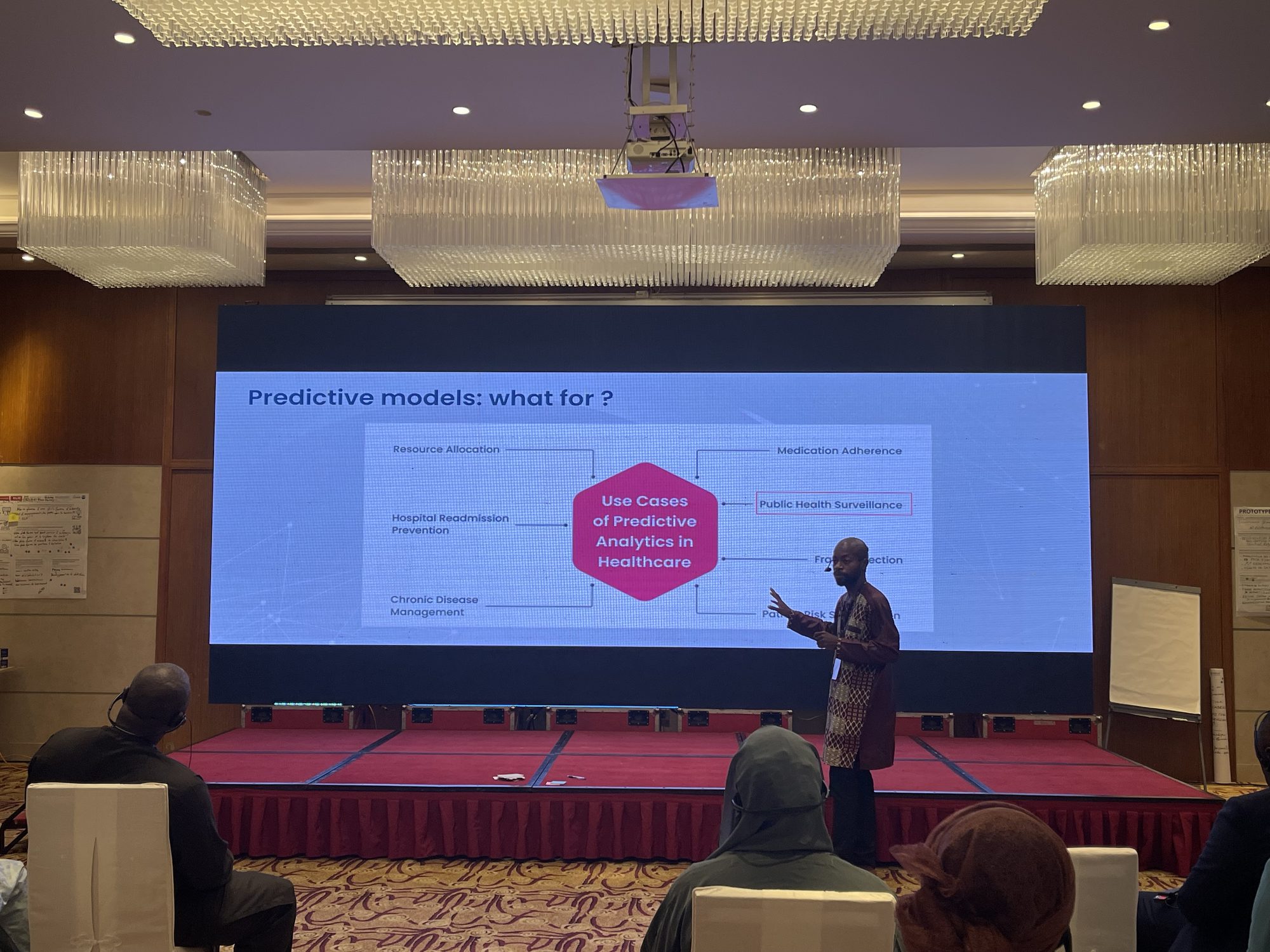
Prototypes were intentionally pragmatic — workflows, operational diagrams, dashboards, microplanning tools, geospatial targeting maps, supervision checklists, community referral circuits, stock monitoring processes, lightweight digital tools, predictive models, maintenance protocols or coordination routines.
The Hackathon was the creation engine of the Country Prototype Acceleration Pathway: it transformed country-specific system bottlenecks into prototype designs that could be presented, tested and adopted.
KLIC2025 did not treat prototypes as final outputs. Each prototype became the basis for an Implementation Pledge — a formal commitment that prevents the innovation from dissipating after the event.
Each Implementation Pledge specifies:
The prototype becomes meaningful only when it is translated into an implementation pledge — a clear commitment that assigns responsibility, defines support needs and creates a short-term execution horizon.
The final pitch at KLIC2025 was not only a communication exercise. It was a leadership rehearsal and authority-engagement mechanism. Each country presented:
The prototype package then becomes the basis for presentation to the relevant country body — Ministry of Health leadership, EPI or National Immunization Programme, digital health directorates, supply chain authorities, district or provincial health leadership, financing and planning departments, or partner coordination platforms.
The authority-facing package helps decision-makers understand what the prototype addresses, why it matters for equity and system performance, how it works, what is needed to test it, and what can be done in 30, 60 and 90 days.
The Country Prototype Acceleration Pathway gives each prototype a route into the national decision system. KLIC does not stop at prototype creation; it supports the preparation of prototypes for institutional review, endorsement, funding consideration and pilot adoption.
KLIC2025 emphasised 30–60 day feasibility as the foundation of execution discipline. The full 90-day post-KLIC roadmap gives authorities and partners a concrete, phased sequence of decisions, resources and actions needed to test and adopt each prototype.
First 30 Days
Country teams refine the prototype package, confirm ownership, validate the problem-solution fit with the relevant authority, and clarify immediate support needs.
Outputs:
Days 31–60
The country team prepares operational conditions for testing — adapting tools, training users, setting up workflows, confirming data collection methods and launching a limited test.
Outputs:
Days 61–90
The team reviews early results, documents lessons, adjusts the prototype and prepares a decision point for continuation, expansion, partner funding or integration into national planning.
Outputs:
The 30-, 60- and 90-day roadmap is what turns the prototype into an execution pathway. It allows authorities and partners to see not only the idea, but the sequence of decisions, resources and actions required to test and adopt it.
The Role of KLIC
KLIC does not position itself as a convener or knowledge platform. Its role in the pathway is operational: ensuring each prototype reaches the decision-maker with the authority to endorse, fund or adopt it.
KLIC supports country teams in developing authority-facing prototype packages — helping them articulate the problem, the solution logic, the feasibility and the 30–60 day implementation sequence in a format appropriate for MoH or EPI review.
The prototype and implementation pledge create a structured basis for aligning partner portfolios with country priorities — replacing fragmented project reporting with a shared execution framework that Gavi, UNICEF, WHO, ADB and others can connect to.
Before a prototype is presented to the national authority, KLIC helps country teams assess whether the institutional conditions for piloting exist: who owns the decision, what budget or resources are available, what systemic constraints must be addressed first.
Countries working on similar bottlenecks — zero-dose communities, cold chain weaknesses, fragmented HIS — can learn from each other's prototype designs and early results. KLIC builds this cross-country learning layer across each cycle.
KLIC2025 in Action


.jpg)
Political & Operational Anchor
The Hanoi Declaration gave political and operational weight to the Country Prototype Acceleration Pathway. It did not simply summarise the event — it consolidated the short-term country commitments emerging from the Hackathon and Implementation Pledges into a collective framework.
The Declaration functions as:
The Hanoi Declaration anchors the Country Prototype Acceleration Pathway in a broader movement for country-led innovation, health justice and system modernisation. It turns individual prototype commitments into a collective execution trajectory for 2026–2027.
Post-KLIC Infrastructure
The pathway does not end with the Hackathon or the final pitch. It requires a post-event infrastructure that keeps prototypes alive, tracks progress and maintains accountability.
Post-KLIC Support
KLIC Local Implementation & Field Testing
KLIFT is the KLIC post-event support mechanism that helps country teams test their hackathon prototypes in real field conditions during the first 30–60 days, validate assumptions, identify implementation barriers, and refine the solution before wider adoption.
KLIFT supports:
Tracking Infrastructure
KLIConnect is the tracking and learning infrastructure for the pathway. It monitors progress against implementation pledges, identifies operational risks and bottlenecks early, and surfaces early results and visible impact across countries.
KLIConnect tracks:
Peer Learning & Accountability
The Innovation Agora is the peer-learning and accountability space where countries share progress, obstacles and adjustments. It keeps the pathway active and prevents prototypes from disappearing after the KLIC event — maintaining the discipline of execution across the 2026–2027 trajectory.
The Country Prototype Acceleration Pathway does not end with the Hackathon. KLIFT, KLIConnect and the Innovation Agora provide the post-KLIC infrastructure needed to test, track, adjust and share prototype implementation.
Concrete Deliverables
Each country team that completes the full pathway produces a set of concrete, authority-ready outputs.
Country challenge statement
Clear, measurable framing of the bottleneck from the Country Clinic
Root-cause analysis
Structured diagnosis from Country Clinic work
Prototype design
Practical, testable solution developed in the Hackathon
3-minute pitch
Concise authority-facing presentation delivered at KLIC2025
Authority-facing prototype package
Full documentation for MoH, EPI or national authority review
Implementation pledge
Formal commitment with owner, support needs and timeline
30-, 60-, and 90-day roadmap
Phased action plan for prototype testing and adoption
Pilot decision note
Summary document for institutional endorsement
Partner support or funding ask
Defined resource requirements for pilot activation
Monitoring indicators
Defined measures for tracking pilot results
Post-KLIC learning update
Early results and lessons shared through the Innovation Agora
For Countries, MoH and Partners
The pathway gives country teams a structured mechanism to develop, present and gain institutional backing for practical prototype solutions — without waiting for external funding cycles or partner-led processes. Countries leave KLIC with a prototype their own authority can endorse.
The pathway produces authority-facing prototype packages and implementation pledges that provide a concrete basis for partner alignment. Gavi, UNICEF, WHO, ADB and national foundations can connect their portfolios to country-defined priorities rather than driving their own parallel processes.
The pathway systematically addresses bottlenecks that affect the most marginalised communities — zero-dose children, missed populations, fragile supply chains, weak community referral systems. Country-led execution is the most reliable path to health equity.
Country Prototype Acceleration Pathway
The Country Prototype Acceleration Pathway connects knowledge, diagnosis, prototyping, institutional authority and early execution. Through this pathway, KLIC helps countries move from identifying a system problem to presenting a prototype to the relevant national authority, securing validation or funding consideration, and initiating a pilot through a disciplined 30-, 60-, and 90-day roadmap. This is how KLIC2025 turned innovation into country-led execution.