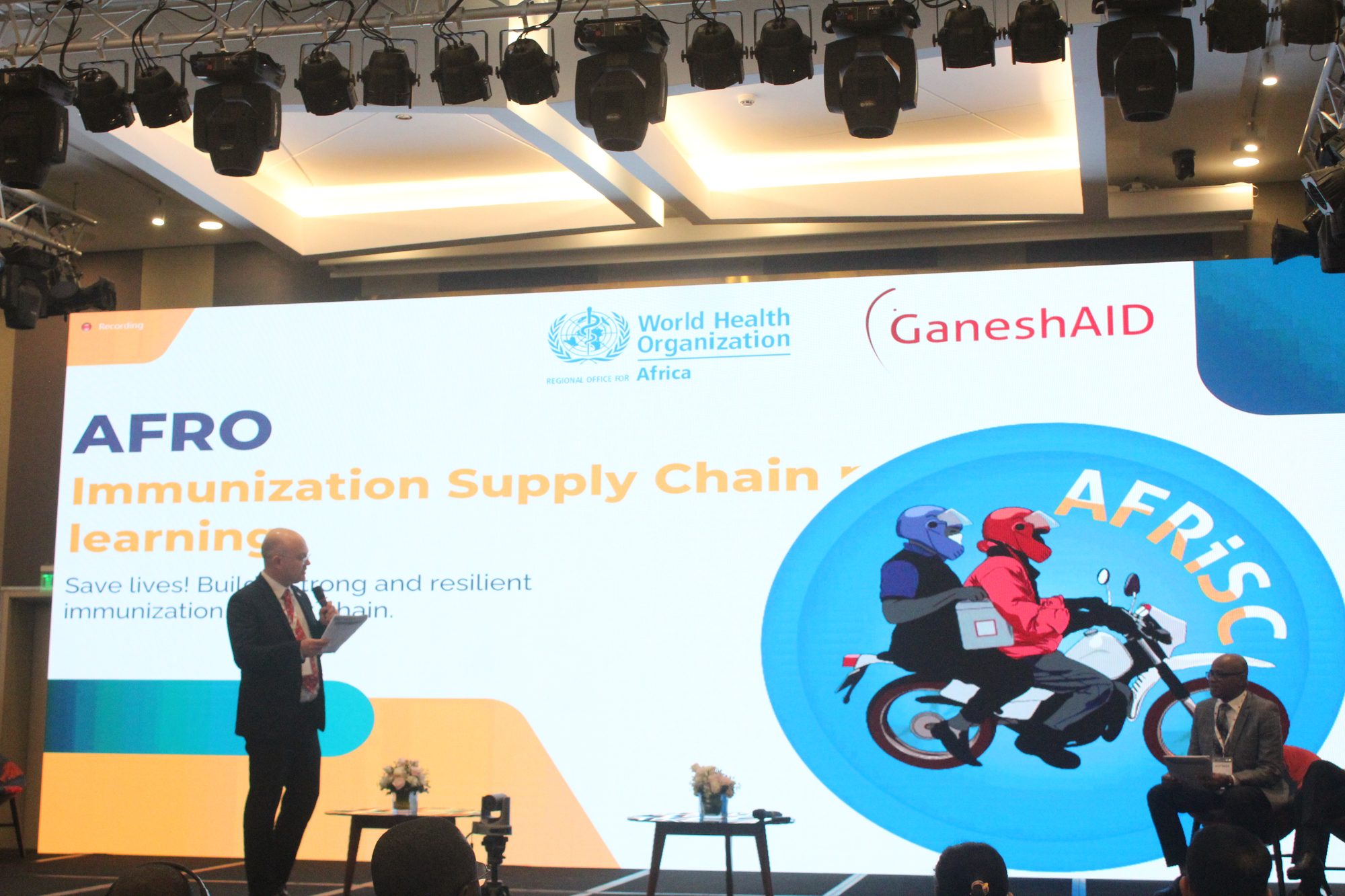
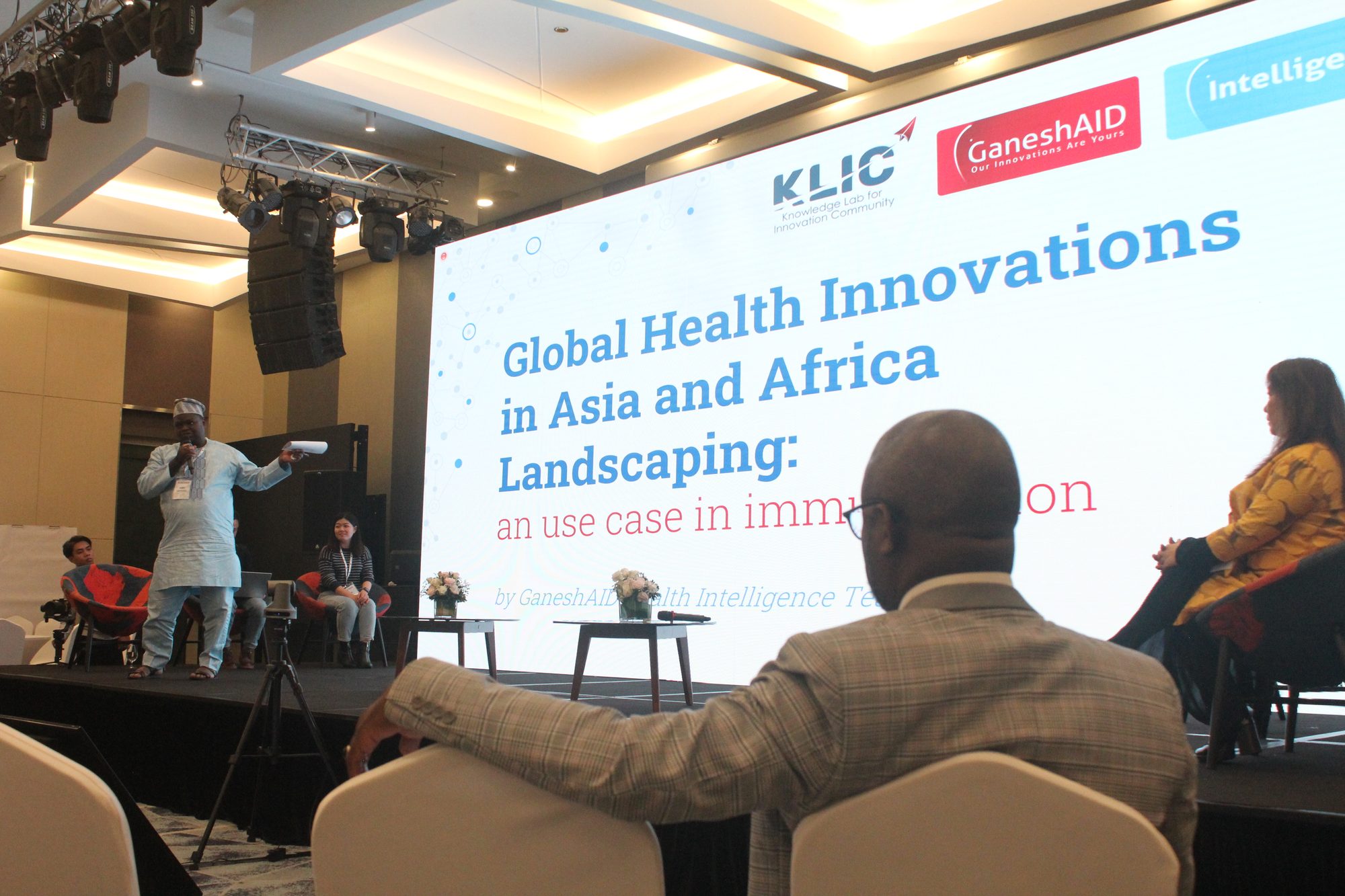
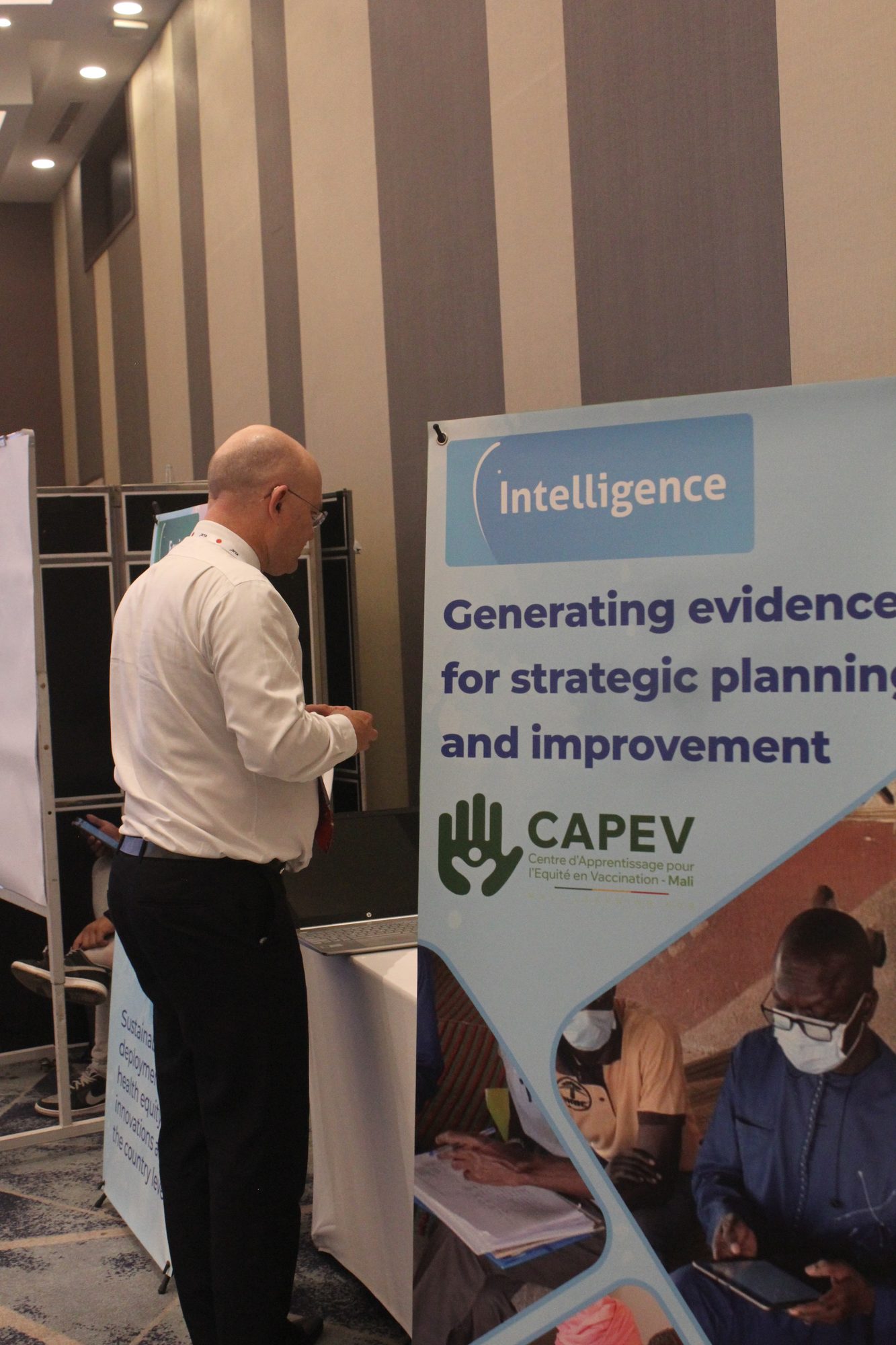
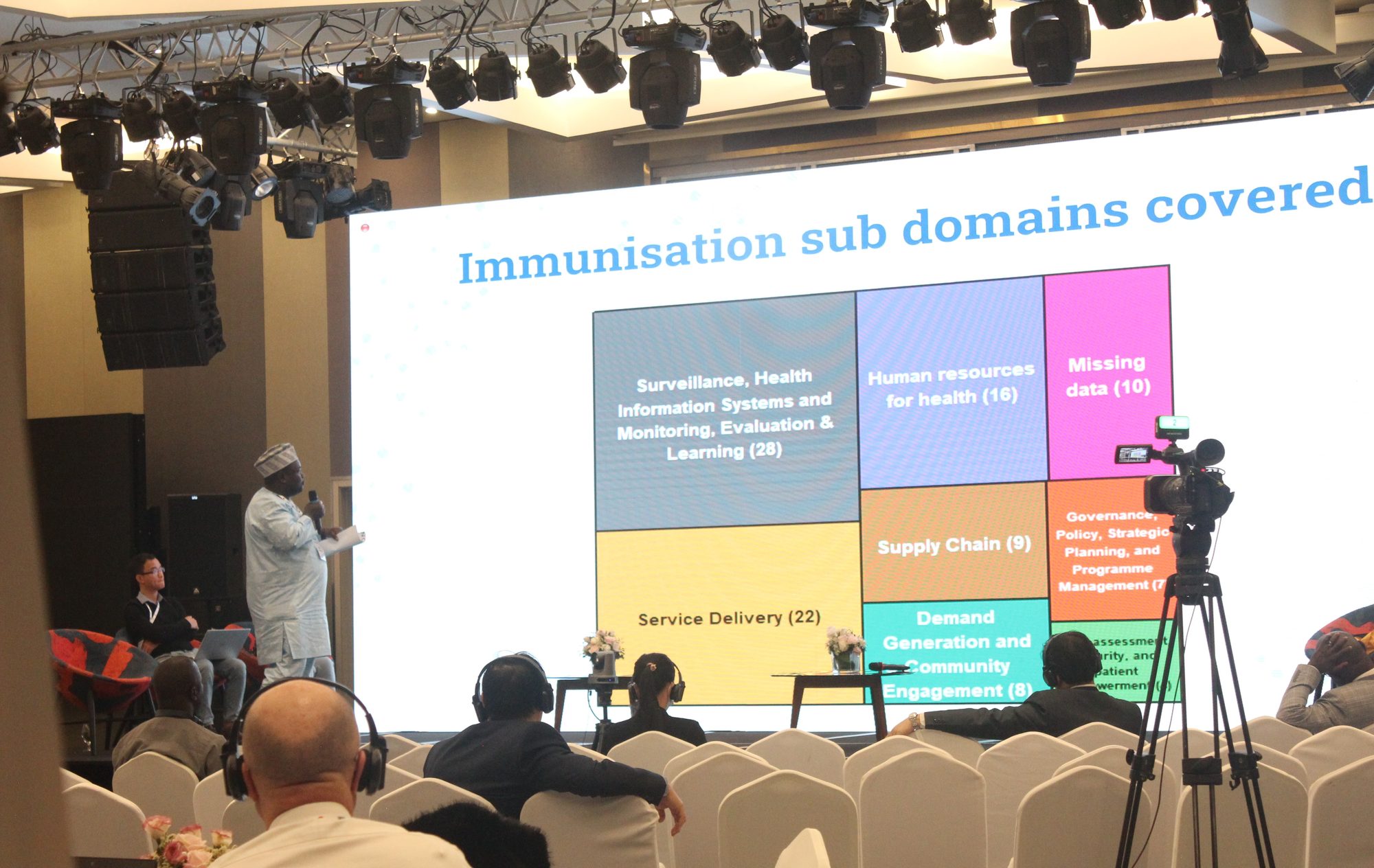
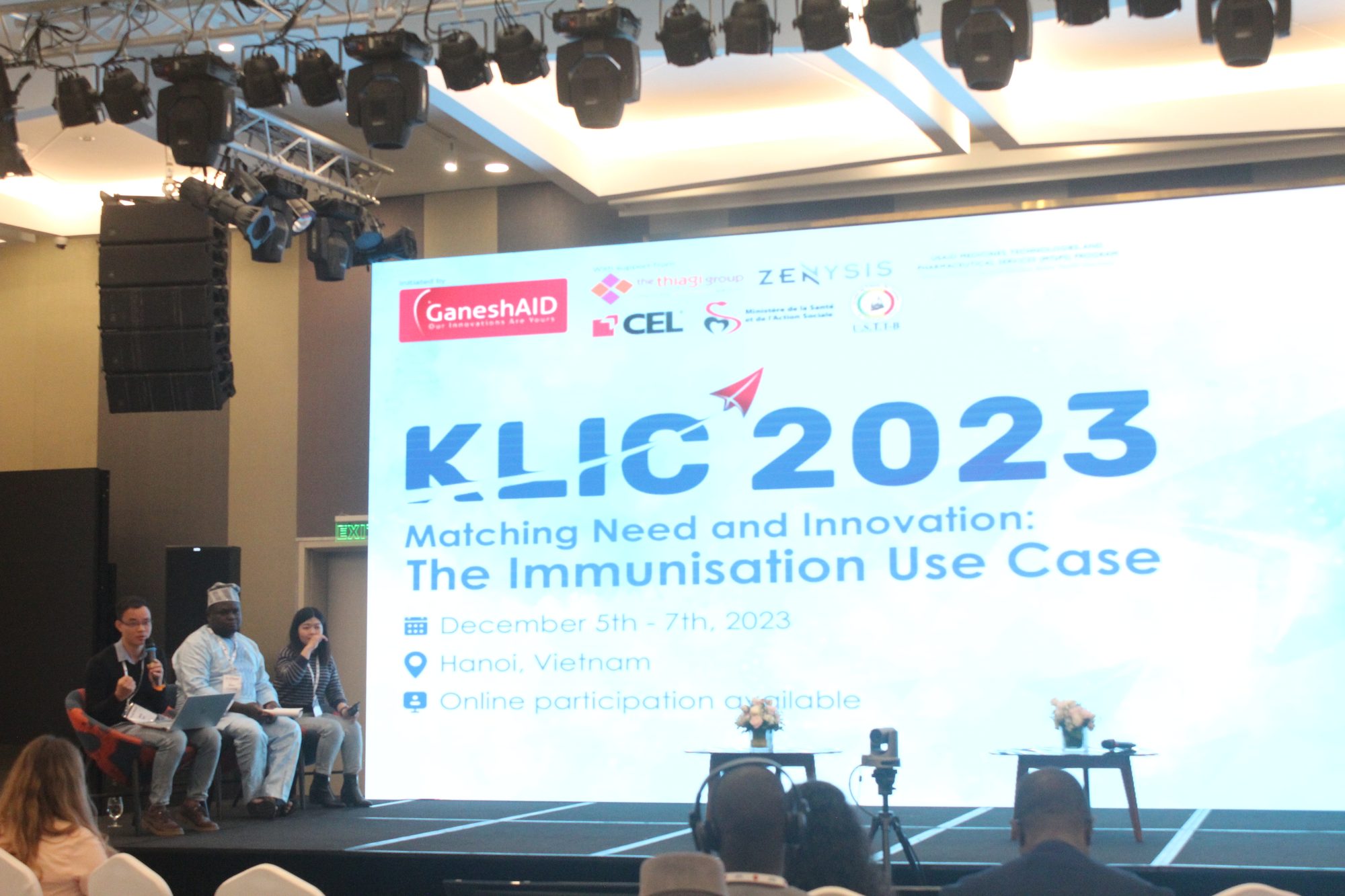
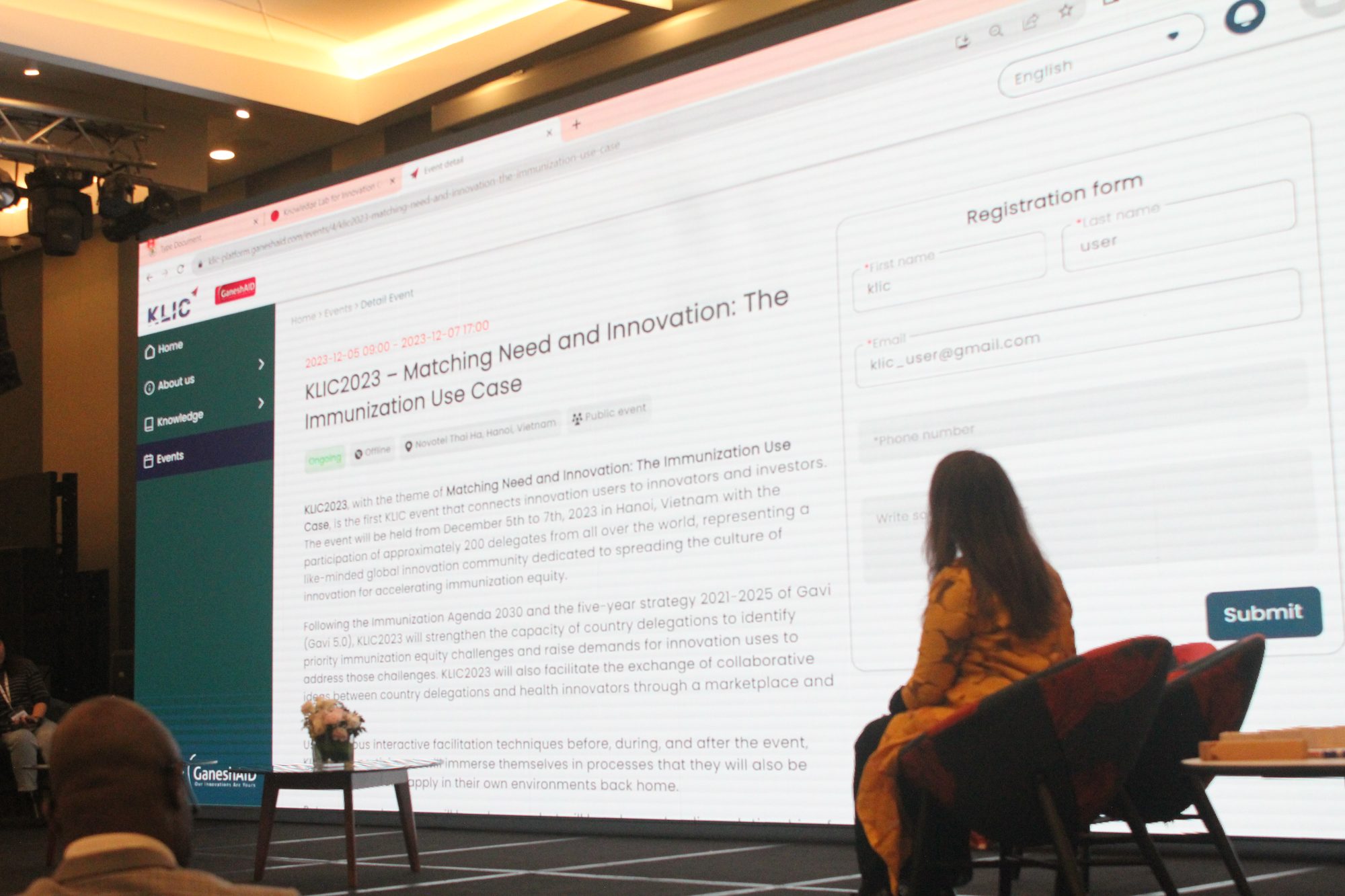
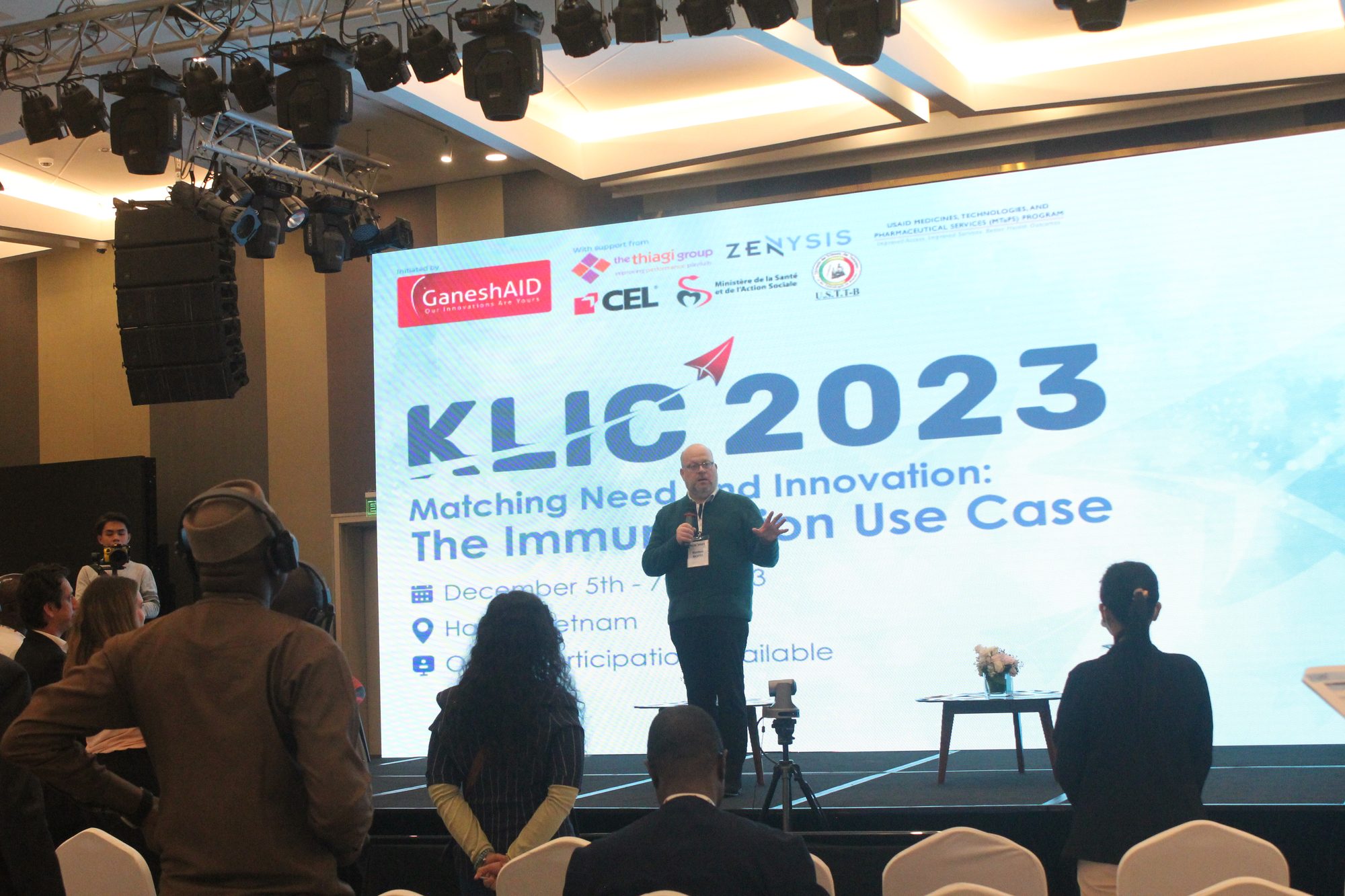
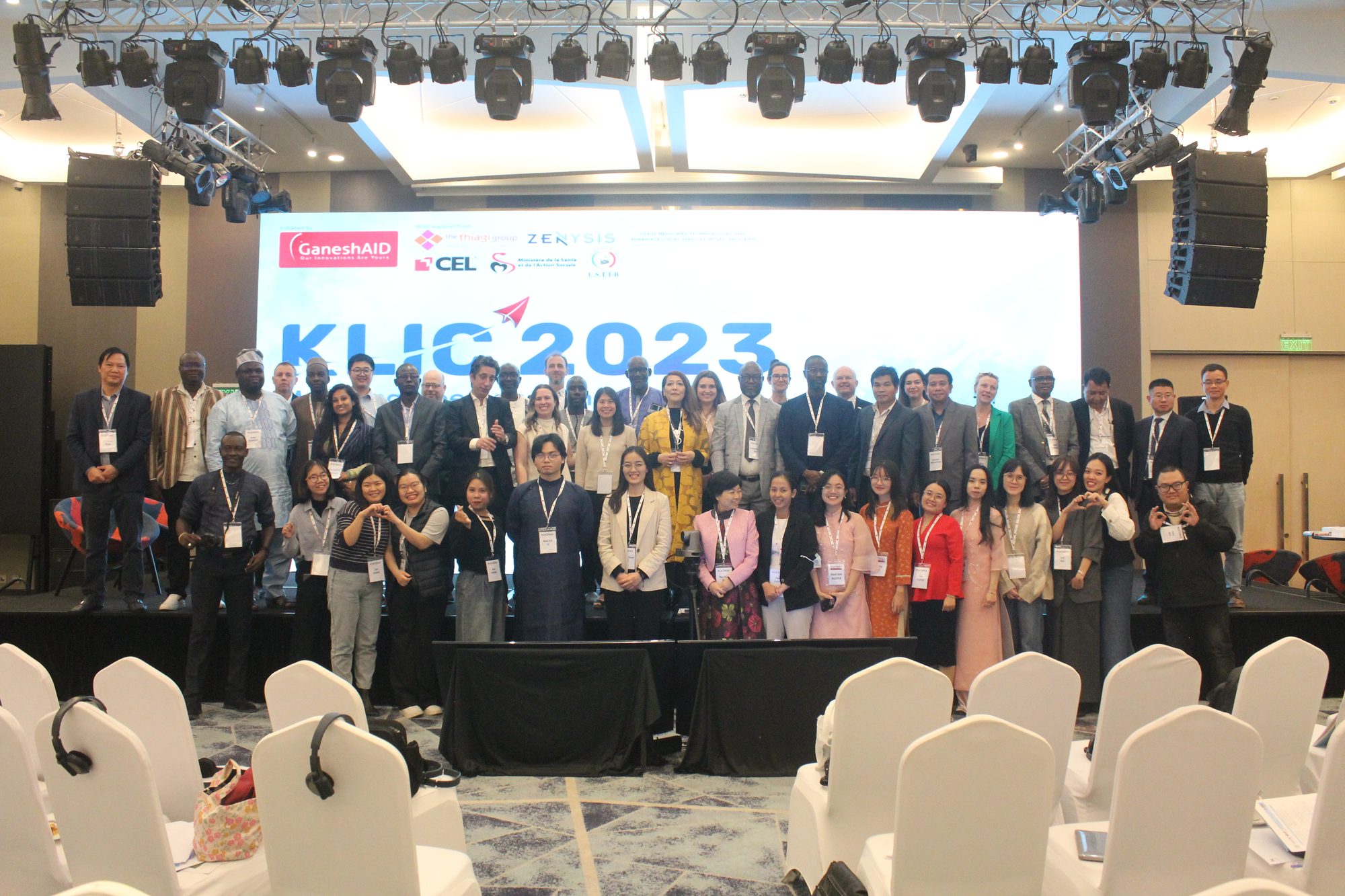
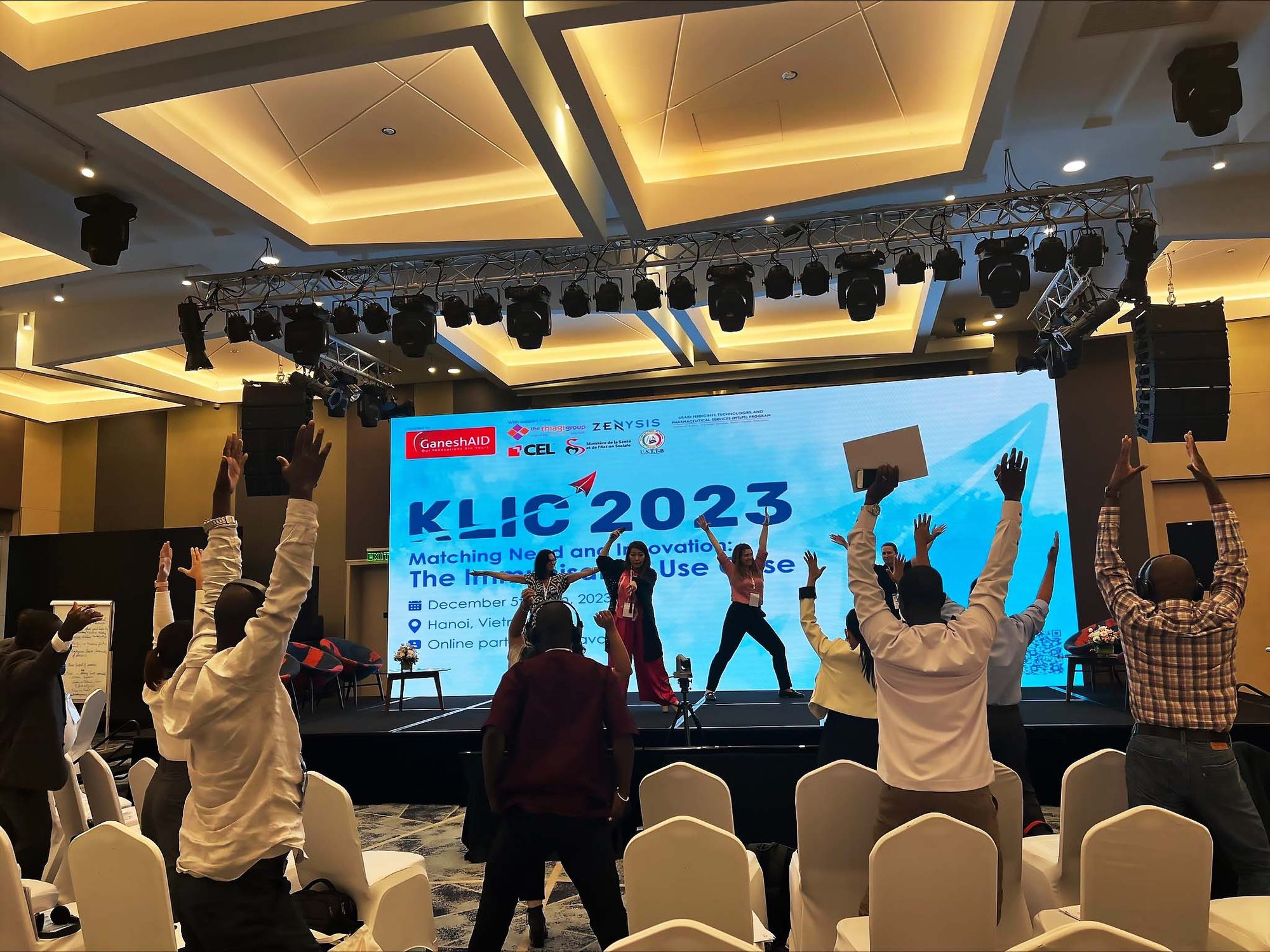
KLIC helps Ministries of Health and partners move beyond fragmented pilots by turning evidence from previous cycles, innovation, data, financing and technical support into practical actions countries can govern, implement and sustain.
"KLIC helps countries convert health innovation into authority-backed execution packages that ministries can own, partners can support, and donors can fund."
Why KLIC Exists
Across global health, promising innovations continue to emerge. Yet many remain trapped in pilots, disconnected tools, fragmented funding streams, or parallel implementation models. Countries need practical ways to govern, adapt, integrate, and sustain innovation within their own systems.
Ministries define priorities and lead execution — donors and partners align.
Structured 90-day cycles connecting knowledge labs to country implementation.
Every lab, every cycle, every output is anchored to equitable health outcomes.
Countries share field-tested innovations and implementation lessons directly with each other — turning peer experience into executable country action.
KLIC Cycle Methodology
When countries lead the process, innovation becomes executable.
Previous KLIC cycles have shown that global health does not lack innovation. The real challenge is turning tools, data, financing and technical support into country-led decisions that improve system performance and advance Health Justice. Across KLIC cycles, Ministries of Health and partners have worked through a disciplined pathway: understanding technical options, diagnosing country bottlenecks, creating practical solutions and committing to actions that can be followed up over time.
Ministries of Health and national programme teams define the priority challenges, decision constraints and feasible next steps.
KLIC cycles test solutions against what country teams can realistically start with current authority, staff and systems.
Labs create a shared technical foundation before countries diagnose bottlenecks and design practical responses.
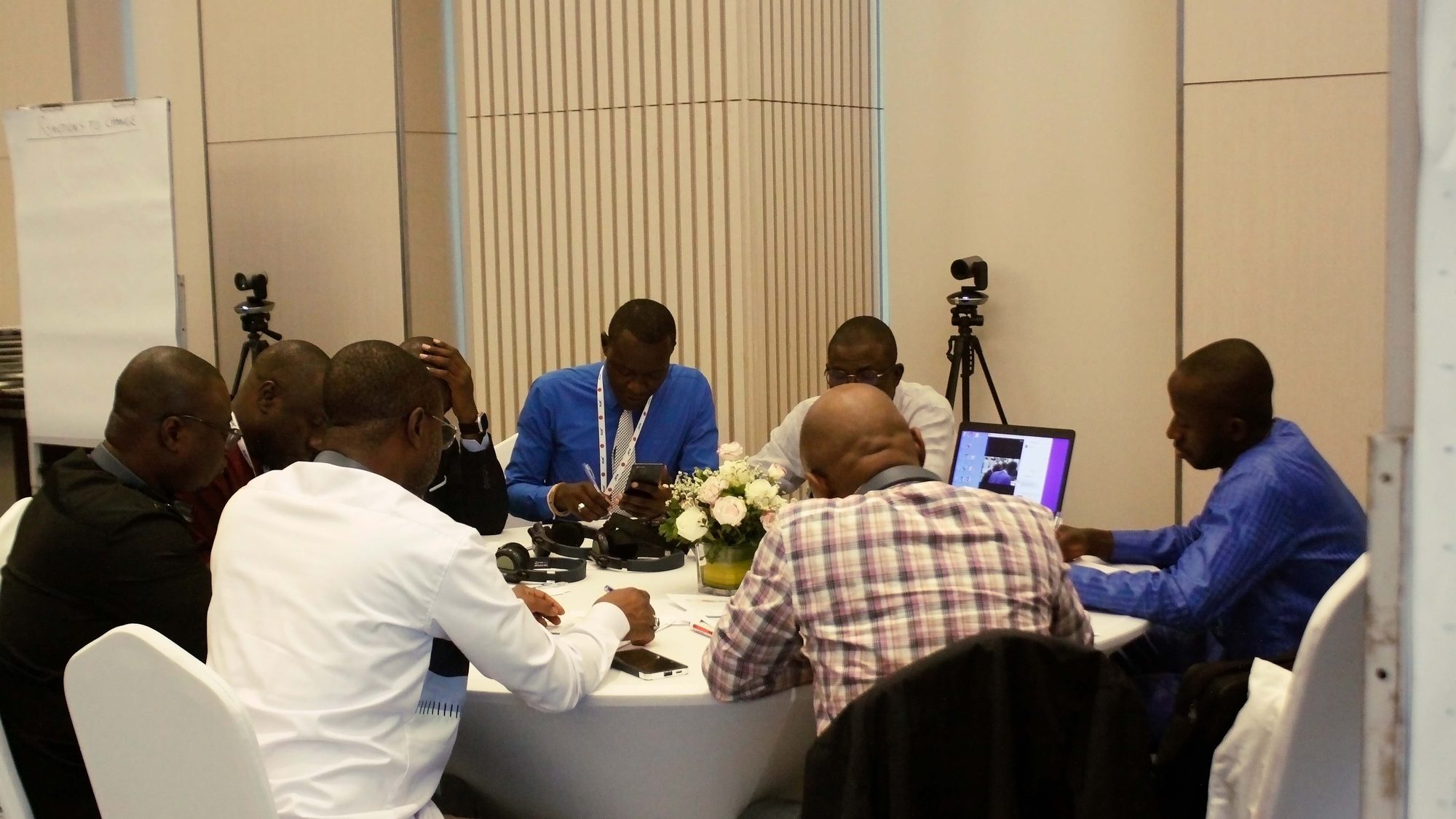
Teams work on real operational constraints: zero-dose children, data flows, workforce supervision, governance and supply chain resilience.
The hackathon does not reward novelty. It converts diagnosis into workflows, prototypes and implementation pledges.
KLIC cycle outputs, including the Hanoi Declaration, create roadmaps for country leadership, interoperability, equity, accountability and partner alignment.
Our Programs
When countries lead the process, innovation becomes executable. Across three completed cycles, KLIC has built a growing evidence base of lab books, impact reports, and country-led implementation commitments.
The inaugural cycle established the knowledge-execution framework, convening health innovators, ministries, and partners around a shared methodology.
Learn More →The second cycle deepened country partnerships and scaled the Knowledge & Innovation Lab model, producing actionable insights across MENA and Sub-Saharan Africa.
Learn More →The most recent completed cycle deepened country-led execution with the Country Prototype Acceleration Pathway, the Hanoi Declaration, and 30–60 day implementation pledges — producing the most comprehensive KLIC evidence package to date.
View Cycle →Knowledge & Innovation Labs
KLIC Labs are structured 2–3 day working sessions that bring together country teams, technical experts, and partners to turn a defined health system challenge into an executable roadmap. Each lab produces a lab book — a living document guiding country action.
Explore Innovation LabsSouth-South Learning
KLIC cycles are not one-way knowledge transfer. Every participating country brings field-tested experience, real implementation challenges, and proven innovations — creating structured peer exchange that no bilateral programme can replicate.
"Benin, Mali and Senegal built on each other's experience with digital workforce coaching innovation — adapting approaches across different health system contexts and resource environments."
Every Ministry delegation arrives with their own evidence, failures and breakthroughs — contributing to a shared knowledge base.
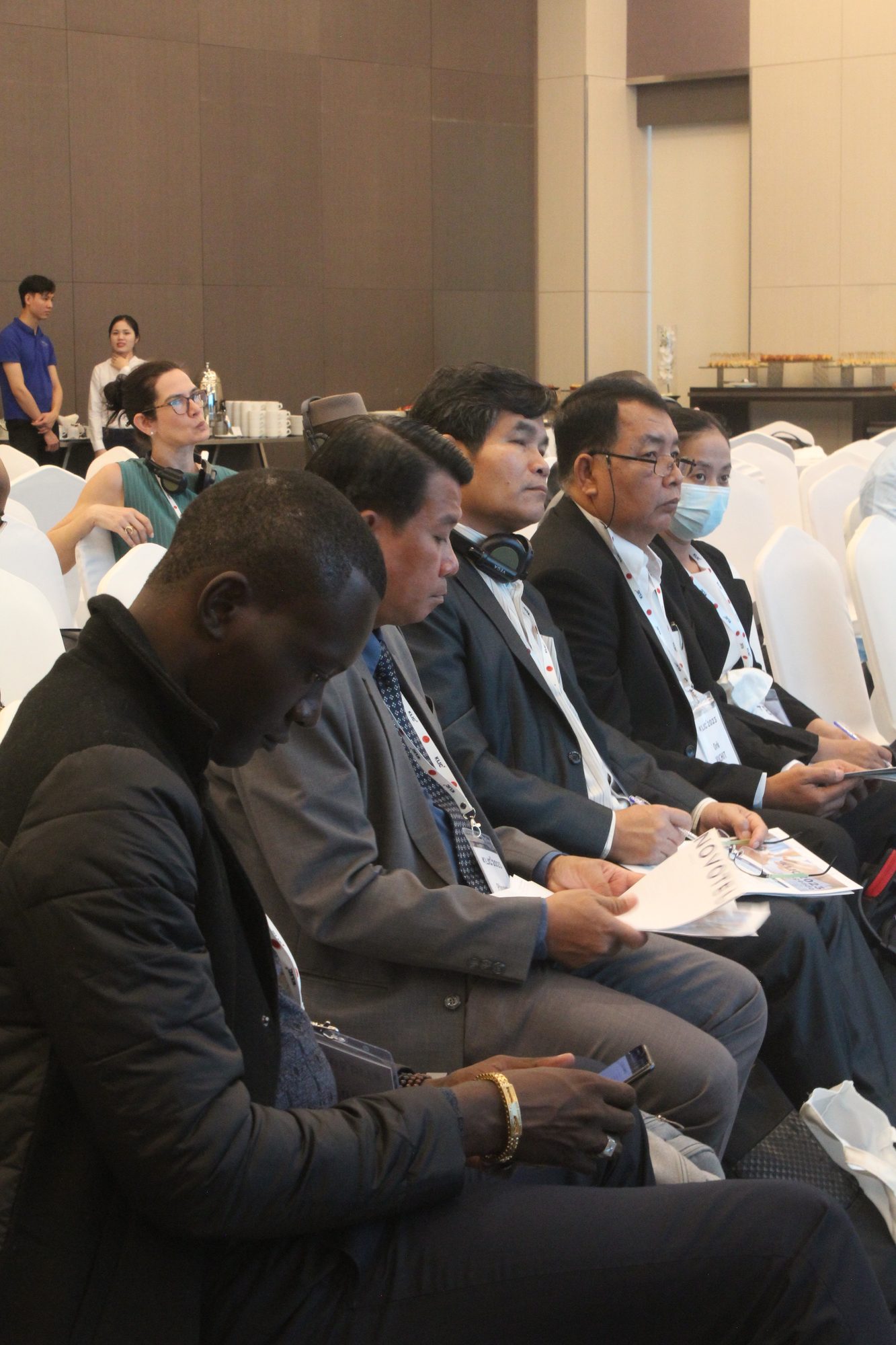
KLIC's country clinic format creates deliberate space for cross-country learning — not hallway conversations, but facilitated working sessions.
Peer learning within KLIC focuses on what conditions made an innovation work — so countries can adapt, not just replicate.
KLIC Evidence Base
A reference base for countries and partners. Across previous KLIC cycles, countries and partners have produced impact reports, lab books, stakeholder notes and implementation commitments that document how innovation moves from dialogue to country-led execution.
The latest KLIC cycle deepened this evidence base through the Hanoi Declaration, implementation pledges and targeted notes for Ministries of Health, donors, technical partners, innovators and community actors.
Institutional references documenting KLIC methodology, results and implementation commitments across cycles.
Access →Structured knowledge products capturing lab outputs, cycle lessons and country-led implementation priorities.
Access →Practical notes on what countries can implement within 30–60 days using existing authority, staff and systems.
Access →Financing perspectives on why implementation, not isolated pilots, is the real investment priority.
Access →Practical notes on supporting country-led execution without increasing fragmentation or parallel systems.
Access →Guidance on how health systems assess adoption, fit, integration and sustainability of innovation.
Access →Reflections on how community actors help identify missed populations, build trust and keep Health Justice grounded in lived realities.
Access →Briefs and learning outputs from Knowledge Innovation Agora sessions, supporting continued learning and accountability.
Access →The KLIC Ecosystem
KLIC works across four pillars of institutional partnership — each with a defined role in moving innovation to execution.
Country governments that define priorities, lead execution tracks, and anchor the KLIC cycle to national health agendas.
Funding partners who align resources with country priorities, co-design labs, and track shared accountability metrics.
WHO, UNICEF, and other multilateral bodies providing technical guidance, data, and normative frameworks to labs.
Technology providers, social enterprises, and researchers bringing solutions to KLIC labs for country-context validation.
Foundational Document · 2025
A landmark commitment by country delegations to accelerate country-led health innovation — establishing the principles that guide KLIC execution across every cycle.
Health innovation must be led and owned by the countries it serves, grounded in national priorities and local evidence.
Sustainable change requires structured, continuous capacity — not isolated pilots or one-time technical assistance.
Donors and technical agencies must align behind national roadmaps, not build parallel systems that fragment accountability.
Support the Movement
Every contribution to KLIC funds a structured pathway — from knowledge labs to Ministry-owned implementation tracks. We work with institutional donors, foundations, and individuals who want their investment to translate directly into country action.
Sponsor one structured 2–3 day lab session bringing together country teams, technical experts and partners to turn a health system challenge into an executable roadmap.
Support a full 90-day cycle — including labs, country clinics, hackathon, and follow-up implementation tracks — and be recognised as a founding cycle partner.
Co-design the KLIC 2026–2027 trajectory with sustained multi-cycle funding, co-branding, and direct access to Ministry-level policy and execution tracks.
All contributions are preceded by a discovery conversation via Zoom to ensure alignment.